

Overview
Fayoum (or Al-Fayoum) is one of Egypt’s oldest cities and a fascinating oasis-like basin located about 100 kilometers southwest of Cairo. Unlike the other Western Desert oases, Fayoum is fed directly by a channel of the Nile River (the Bahr Yussef), creating a uniquely fertile depression rich in agricultural lands, massive lakes, and profound archaeological depth.
Sights

Info
Here is a comprehensive overview of Fayoum:
1. Natural Wonders & Eco-Tourism
Fayoum is a premier destination for nature lovers, eco-tourists, and adventure seekers due to its dramatic desert-meets-water landscapes:
-
Wadi El-Rayan: This protected nature reserve features two large man-made lakes connected by a small river channel, creating Egypt’s only natural waterfalls. It is a major hub for sandboarding, boating, and birdwatching.
-
Lake Qarun: One of the oldest natural lakes in the world, this massive, saltwater lake is a vital sanctuary for migratory birds and offers beautiful scenic views lined with local cafes and eco-lodges.
-
Magic Lake: Tucked deep within the desert dunes near Wadi El-Rayan, this stunning lake gets its name because its water changes colors throughout the day depending on the sunlight. It is incredibly popular for desert safaris, dune bashing, and overnight camping.
2. Paleontological & Historical Significance
Fayoum bridges ancient natural history with pharaonic and Greco-Roman heritages:
-
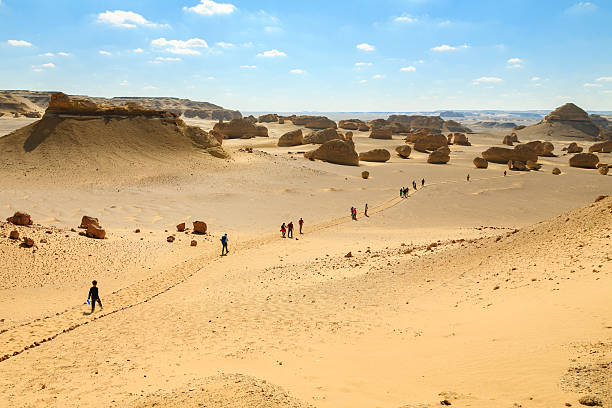
Wadi Al-Hitan (Valley of the Whales): A UNESCO World Heritage Site, this open-air desert museum contains hundreds of incredibly preserved fossils of Archaeoceti—prehistoric whales with hind limbs. It provides critical evolutionary evidence of how whales transitioned from land mammals to ocean dwellers.
-
The Fayoum Portraits: In antiquity, the region was famous for these strikingly realistic, painted mummy portraits attached to burial wraps during the Coptic/Greco-Roman period, representing some of the finest preserved art from the ancient world.
-
Ancient Ruins: Notable sites include the Lahun Pyramid (built by King Senusret II), the Hawara Pyramid, and Karanis, an ancient Greco-Roman town